A Deep Dive into the Global Ethnobotanical Uses of Centella Asiatica
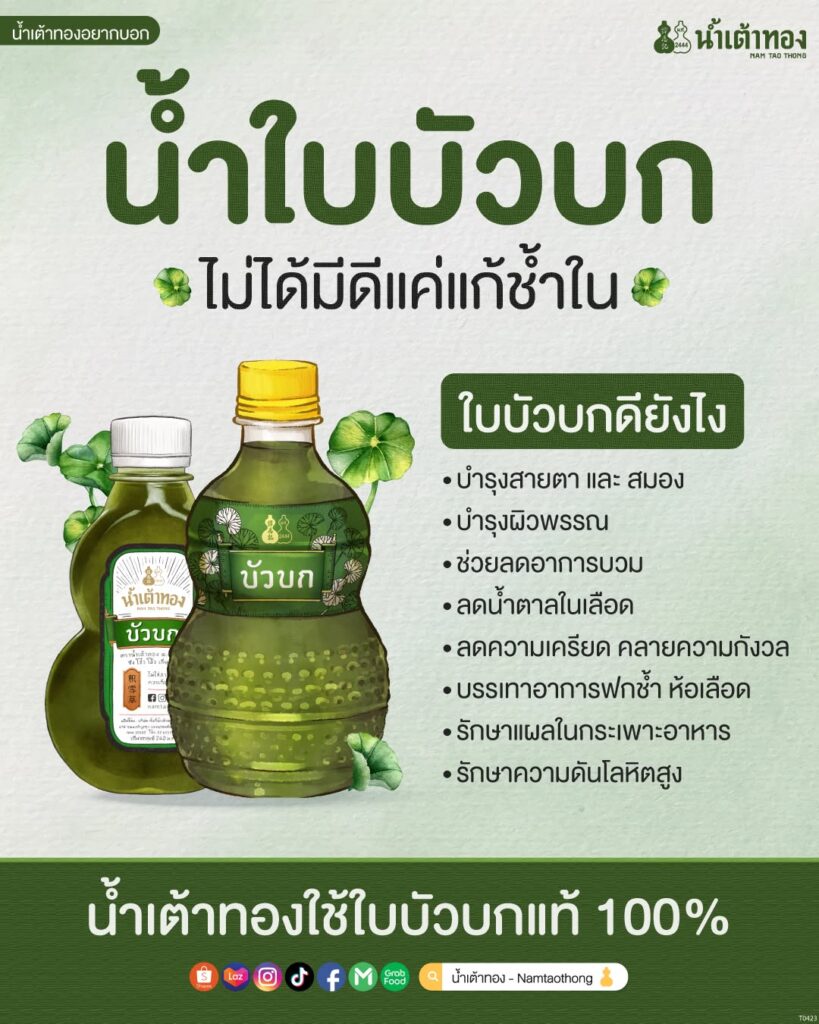
Centella Asiatica is not only found on a plate of Pad Thai or in Thai herbal drinks for internal bruising; it has been recorded in the traditional pharmacopeias of many nations worldwide, including:
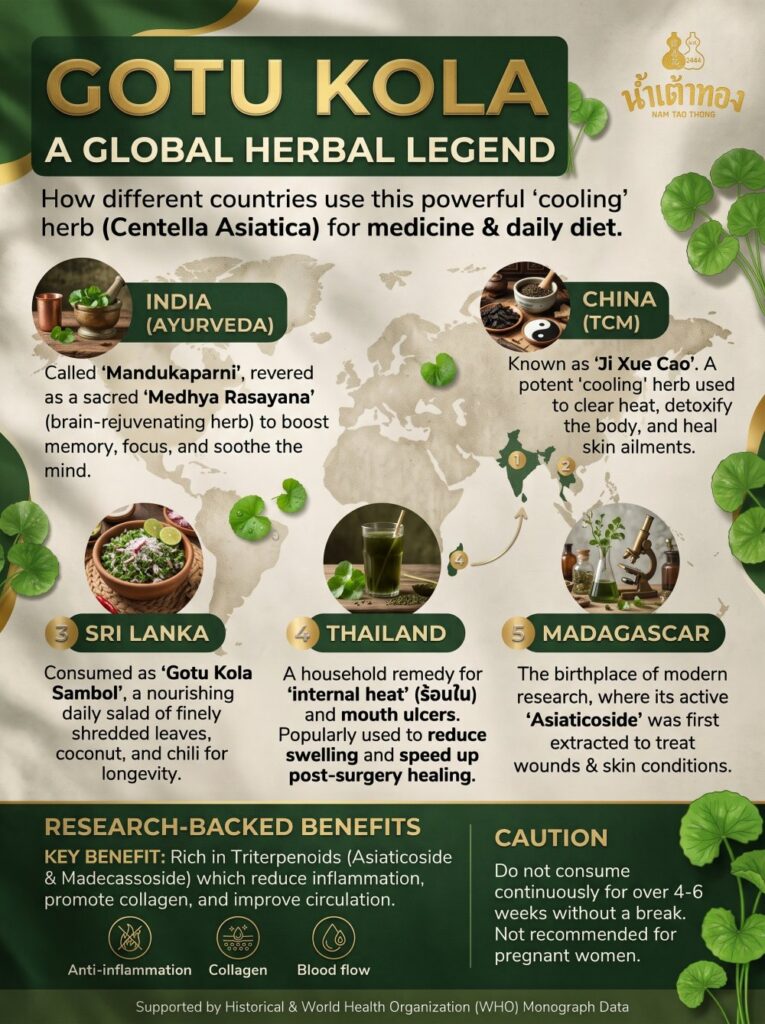
1. India: The Ultimate Brain-Tonic Herb of “Ayurveda”
In India, Centella Asiatica is known as “Mandukaparni” or Gotu Kola, regarded as a sacred and vital herb within the Ayurvedic medical system.
- Medicinal Use: Categorized under “Medhya Rasayana” (rejuvenating herbs that enhance intellect, promote longevity, and counteract aging), it is widely used to stimulate memory, revitalize brain function, relieve anxiety (anxiolytic), and aid ascetics and monastics in deep meditation.
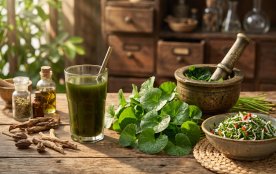
- Modes of Consumption: Commonly prepared by juicing fresh leaves mixed with whole milk, or consumed as a powder brewed with honey and clarified butter (ghee).
2. China: A Cooling, Detoxifying Remedy in “Traditional Chinese Medicine (TCM)”
In Traditional Chinese Medicine classics, Centella Asiatica is known as “Ji Xue Cao” (积雪草).
- Medicinal Use: TCM classifies Centella Asiatica as having a “bitter taste and cold property,” acting primarily on the liver, kidney, and spleen meridians. Its key therapeutic action is “clearing heat and detoxifying”, used to treat jaundice, urinary calculi (stones), heat-induced diarrhea, and applied externally as a poultice for burns, carbuncles, and boils.
- Modes of Consumption: Commonly prepared as a decoction, often boiled alongside other cooling herbs.
3. Sri Lanka: A Recipe for Longevity Served on the Dinner Plate
Sri Lanka represents the most prominent culinary culture incorporating Centella Asiatica as a staple dish, supported by local folklore noting that elephants—renowned for their longevity and memory—frequently graze on this plant.
- Popular Dish: Gotu Kola Sambol is an essential traditional Sri Lankan salad found on dining tables. It is prepared by finely shredding fresh Centella leaves and tossing them with freshly grated coconut, shallots, green chilies, lime juice, and salt, served alongside steamed rice and curry to nourish eyesight, support blood health, and promote healthy digestion.
4. Indonesia and Malaysia
Across maritime Southeast Asia, Centella Asiatica is recognized as Pegagan (Indonesia) or Pegaga (Malaysia).
- Consumption: Commonly enjoyed as Lalapan (a fresh raw vegetable platter served alongside chili pastes/sambal), similar to Thai dining traditions to balance rich and spicy meals. Additionally, boiled Pegaga decoctions are traditionally administered to postpartum mothers to promote internal wound healing.
5. Madagascar: The Cradle of Modern Wound-Healing Research
Although situated off the coast of East Africa, Madagascar served as a crucial historical gateway that introduced Centella Asiatica to modern Western medical science.
- Medical History: During the 1940s, French researchers investigated the indigenous Malagasy use of Centella Asiatica for treating severe wounds and dermatological disorders, culminating in the first successful isolation of Asiaticoside. It was initially employed to treat chronic ulcerations and lesions resulting from leprosy, laying the scientific groundwork for modern Centella Asiatica extract formulations across global cosmeceuticals and surgical clinics today.
References
These international traditions are officially cataloged and recognized within leading global pharmacopeias and publications:
- World Health Organization (WHO). (1999). Herba Centellae. In WHO monographs on selected medicinal plants (Vol. 1, pp. 77–85). Geneva: World Health Organization. (Documents clinical ethnobotanical applications across Asia and Africa)
- The Ayurvedic Pharmacopoeia of India (API). (2001). Mandukaparni (Whole Plant). Part 1, Volume 4. Government of India, Ministry of Health and Family Welfare. (References Medhya Rasayana and cognitive enhancement properties)
- Chinese Pharmacopoeia Commission. (2015). Pharmacopoeia of the People’s Republic of China. Beijing: Medical Science Press. (Outlines the heat-clearing and detoxifying properties of Ji Xue Cao)
- Brinkhaus, B., Lindner, M., Schuppan, D., & Hahn, E. G. (2000). Chemical, pharmacological and clinical profile of the East Asian medical plant Centella asiatica. Phytomedicine, 7(5), 427-448. [https://doi.org/10.1016/S0944-7113(00)80065-3](https://doi.org/10.1016/S0944-7113(00)80065-3) (Chronicles the history of Asiaticoside extraction from Madagascar for Western clinical medicine)