Nov 07, 2026
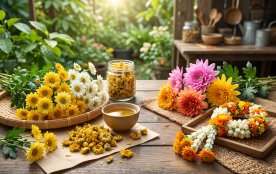
What is the difference between edible and inedible chrysanthemums, and which kind is used in flower garlands?
The key differences lie in cultivars, cultivation purposes, and chemical residues:
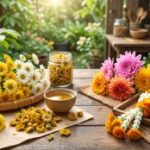
- Chrysanthemums for drinking/brewing: Specific culinary and medicinal cultivars, such as Chrysanthemum morifolium and Chrysanthemum indicum, grown chemical-free. They feature a bittersweet flavor and an aromatic essential oil profile.
- Ornamental/cut-flower chrysanthemums (inedible): Large blossoms in diverse colors with high bitterness levels. Under no circumstances should they be brewed for drinking because they are treated with pesticides, synthetic chemical fertilizers, and preservatives to prolong vase life.
- Garland flowers: Most used in Thailand are not herbal tea cultivars, but rather spray chrysanthemums (“Benjamas Nu”—small-flowered varieties of Chrysanthemum morifolium) or are often confused with marigolds and globe amaranths. These are selected solely for durability and do not undergo food-grade safety processes.
Classification of 3 Chrysanthemum Groups by Usage
| Comparison Dimension | 1. Food/Medicinal Grade (Herbal Tea) | 2. Ornamental / Floral Arrangements | 3. Garlands / Worship Offerings |
| Primary Cultivar | Chrysanthemum morifolium (specific cultivars), C. indicum | Chrysanthemum × grandiflorum (various hybrids) | Chrysanthemum morifolium (spray type / small-flowered group) |
| Flower Characteristics | Small to medium blossoms, dense petals, bright white or yellow, intensely fragrant | Large blossoms, diverse colors (purple, pink, orange, red), tightly packed petals | Small spray clusters, multiple flowers per stem, rigid and durable petals |
| Flavor Profile | Sweet and throat-soothing with a faint bitter finish; pleasant to drink | Intensely bitter, harsh, and unpleasant | Bitter with an unpleasant grassy odor |
| Cultivation Standard | Organic / Food Grade with strictly controlled residues | Grown for aesthetics; heavy use of systemic pesticides and sprays | Commercial cut-flower production focused on shelf life |
| Consumption Safety | Safe to drink (Edible) | ❌ Strictly do not consume | ❌ Strictly do not consume |
A Closer Look at “Edible” Cultivars (Edible / Medicinal Chrysanthemum)
Chrysanthemum flowers harvested for medicinal and culinary teas must be plucked when 70–80% in bloom, then steamed, baked, or air-dried using time-honored traditional methods. The primary cultivars officially recognized in pharmacopeias include:
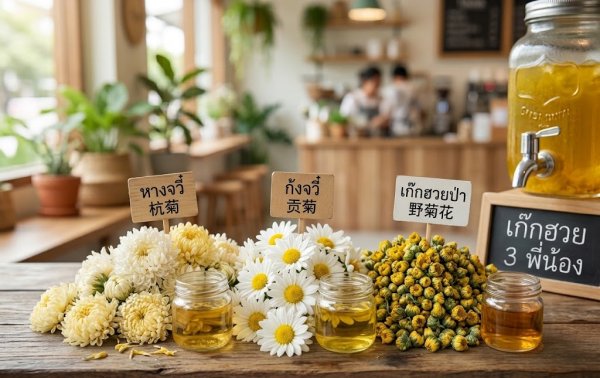
- Hangzhou Chrysanthemum (Hang Ju / 杭菊): White or pale yellow blossoms primarily grown in Zhejiang Province, China. It offers a gentle aroma and a smooth, sweet flavor, renowned for supporting eye health and clearing liver heat.
- Tribute Chrysanthemum (Gong Ju / 贡菊): A tribute chrysanthemum from Huangshan featuring white petals with bright yellow centers and a clean taste. It is used to dispel fever toxins, quench thirst, and relieve sore throats.
- Wild Chrysanthemum (Ye Ju Hua / 野菊花): Wild-growing variety with tiny, deep yellow flowers, an intensely bitter flavor, and potent cooling energy. It is predominantly used in classical Chinese medical formulas to treat abscesses, boils, and bacterial infections (not typically consumed as a daily thirst-quenching tea).
Why Are Ornamental Chrysanthemums “Strictly Forbidden from Brewing”?
The most dangerous misconception is thinking, “They are all chrysanthemums, so we can just pick and boil them”:
- Pesticide Residues and Glossing Agents: Ornamental and florist flowers are routinely treated with insecticides, synthetic fungicides, plant growth retardants, and systemic preservatives to extend shelf life. These compounds cannot be washed away with water alone and leach into boiling water. Ingesting them can trigger acute poisoning, nausea, and vomiting, or accumulate and damage liver and kidney function over time.
- Unsuitable Phytochemical Composition: Ornamental varieties are bred selectively for color vibrancy and longevity rather than a balanced ratio of therapeutic flavonoids (luteolin, apigenin) found in medicinal tea cultivars. Instead, they harbor high levels of undesirable tannins and bitter compounds that cause significant gastric irritation.
“Spray Chrysanthemums” Used in Flower Garlands
In Thai flower markets, blossoms threaded into traditional garlands alongside jasmine, crown flower, or white champaca appear mainly in two contexts:
- Spray Chrysanthemums (Benjamas Nu): Small multi-flowered spray clusters available in various colors (white, yellow, pink). The flower heads are plucked to string wrist garlands or adorn tiered decorative trays. These flowers are 100% ornamental cut-flowers and cannot be brewed for drinking due to chemical fumigation and post-harvest preserving solutions.
- Confusion with Other Blooms: People often confuse them with Globe Amaranth (Dok Ban Mai Ru Roi) or fresh herbal chrysanthemum. In reality, garland blossoms must be tough, wilt-resistant, and non-shattering, in contrast to true culinary chrysanthemum blossoms, whose delicate petals bruise easily upon contact.
References
- Chinese Pharmacopoeia Commission. (2020). Pharmacopoeia of the People’s Republic of China (Vol. 1). Beijing: China Medical Science Press. (Standardizes cultivars of Flos Chrysanthemi and Chrysanthemum indicum for medicinal and culinary use)
- Department of Agriculture, Ministry of Agriculture and Cooperatives. (2020). Good Agricultural Practices for Medicinal Plants (GAP for Medicinal Plants). Bangkok: The Agricultural Co-operative Federation of Thailand. (Guidelines on chemical residues and heavy metal safety thresholds for ingestible herbs)
- World Health Organization (WHO). (2007). WHO guidelines for assessing quality of herbal medicines with reference to contaminants and residues. Geneva: World Health Organization. (Safety criteria regarding pesticide contamination and chemical residues in herbal infusions)