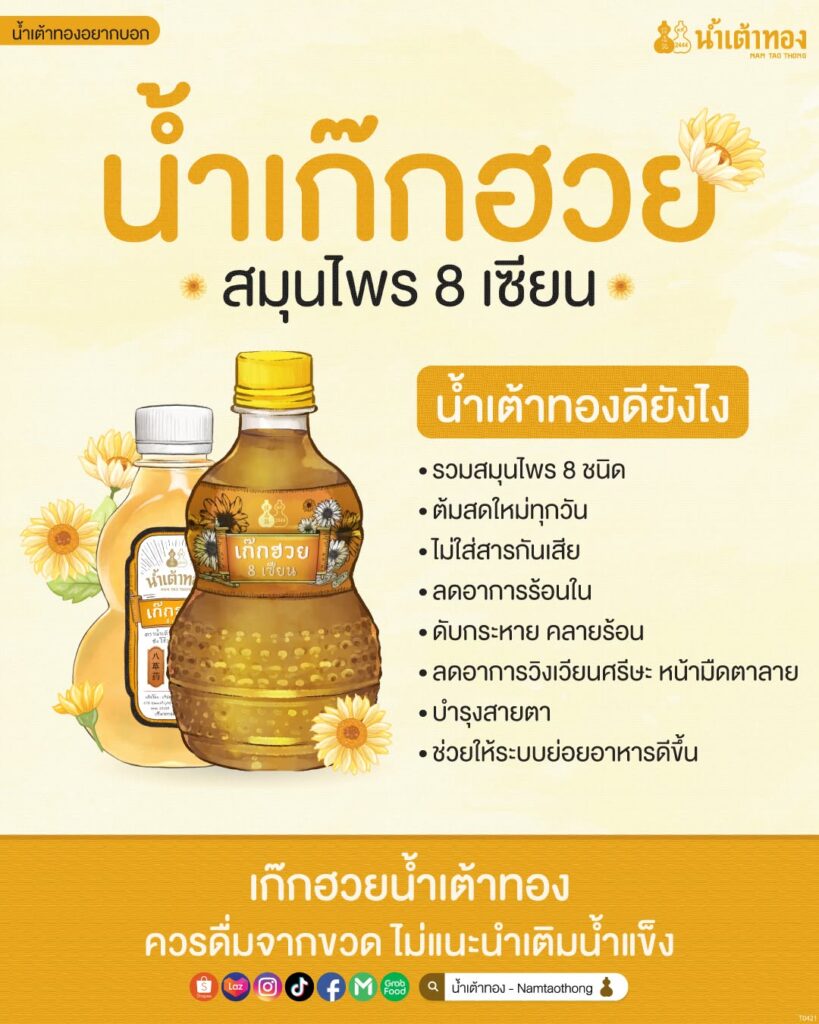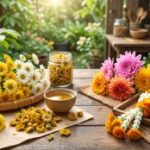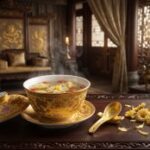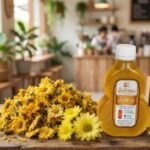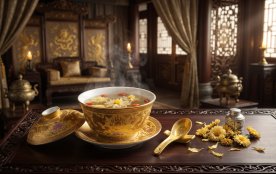
What is the origin of chrysanthemum blossoms in legendary gastronomy and beverages?
“Chrysanthemum” (Chrysanthemum morifolium / indicum) is a cultivar of the Asteraceae family renowned for its delicate fragrance and bittersweet flavor profile. The tradition of consuming chrysanthemum dates back over 3,000 years to China’s Zhou and Han dynasties, originating as an “elixir of immortality and longevity.” Its petals were traditionally fermented into “chrysanthemum wine” during the Double Ninth Festival (Chongyang Festival), before evolving into boiled herbal tea for clearing internal heat during the Song dynasty, and having fresh blossoms introduced into haute cuisine—such as “chrysanthemum chicken soup” and floral salads—to sharpen vision and restore elemental balance.
The Legendary Origin: Flower of Anti-Aging and Longevity
In classical Chinese culture, the chrysanthemum is revered as one of the “Four Gentlemen of Flora” (梅 兰 竹 菊: Plum blossom, Orchid, Bamboo, and Chrysanthemum), embodying resilience and purity as the solitary flower blooming fearlessly against the cold autumn winds.
- The Legend of Chrysanthemum Valley: Historical records from the Han dynasty chronicle that residents in the Nanyang Valley (Henan Province) lived well past 100 years of age without premature graying of hair. Imperial investigators dispatched by the court discovered that the locals drank water from a stream running through a valley blanketed with wild chrysanthemums. Fallen blossoms infused the water with essential compounds and sweet aromas, creating a natural elixir that combated aging and purged internal toxins.
- Records in the Shennong Bencao Jing: China’s earliest compendium of herbal medicine categorized chrysanthemum among the “Superior Class Herbs” (上品)—botanicals that are non-toxic, safe for prolonged daily consumption, known to lighten the body, deter cellular aging, and extend lifespan.
Evolution into a Beverage: From “Festival Wine” to “Daily Herbal Tea”
The practice of crafting beverages from chrysanthemum features two pivotal historical milestones:
- Chrysanthemum Wine (菊花酒 – Ju Hua Jiu):
- Emerging during the Han dynasty, flowers and leaves were customarily harvested on the 9th day of the 9th lunar month (Double Ninth Festival) and fermented alongside millet and grains. Aged for an entire year to be consumed on the subsequent Chongyang Festival, this libation was believed to ward off misfortune and fortify immunity before the onset of harsh winter cold.
- Brewed Chrysanthemum Tea:
- During the Song dynasty (960–1279 CE), tea culture reached unprecedented heights. Chinese tradition transitioned from fermenting wines to oven-drying blossoms to brew as hot herbal tea. It became popular after meals to cleanse richness and cut through greasiness, eventually spreading through teahouses as an essential functional drink to clear internal heat (Clear Heat) and relieve the eye strain of scholars studying through the night.
The Culinary Art of Cooking with Chrysanthemums
Beyond refreshing beverages, fresh and dried chrysanthemum petals were treasured as luxury ingredients in imperial banquets and folk kitchens alike:
- Empress Dowager Cixi’s Chrysanthemum Hot Pot:
- A winter banquet favorite of Empress Dowager Cixi of the Qing dynasty. Imperial chefs carefully selected pristine white chrysanthemum petals rinsed thoroughly in pure spring water. As rich chicken broth bubbled vigorously in brass hot pots, freshly plucked petals were scattered alongside paper-thin slices of chicken or fish. The delicate essential oils neutralized gamey notes, enriched the broth with a natural floral sweetness, and were prized for skin nourishment.
- Chrysanthemum Soups and Porridges:
- Fresh petals were simmered with brown rice or oats to make medicinal morning porridges designed to soothe the liver and disperse wind-heat for individuals recovering from colds.
- Desserts and Dim Sum:
- Simmered with agar or gelatin into “Osmanthus & Chrysanthemum Jelly” or folded into fillings for traditional flaky pastries, chrysanthemum provided a delicate floral aroma and a soothing cooling effect that balanced the richness of pastry dough.
References
- Yang, X., & Shen, H. (2012). The culinary and medicinal history of Chrysanthemum in ancient China: From ritual wine to daily tea. Journal of Agricultural Archaeology (农业考古), 32(4), 215–221. (Chronicles the history of chrysanthemum wine fermentation and Song dynasty tea culture)
- Unschuld, P. U. (2021). Shennong Bencao Jing (The Divine Farmer’s Classic of Materia Medica). University of California Press. (Details the status of chrysanthemum as a top-grade imperial longevity tonic)
- Needham, J., & Lu, G. D. (2000). Science and Civilisation in China: Volume 6, Biology and Biological Technology, Part 5, Fermentations and Food Science. Cambridge University Press. (Details historical processing techniques and the introduction of edible flowers into imperial cuisine)